
The Anti-Overconsumption Shift: How Brands Can Stay Relevant
Is Your Brand Affected by the Anti-Overconsumption Movement?
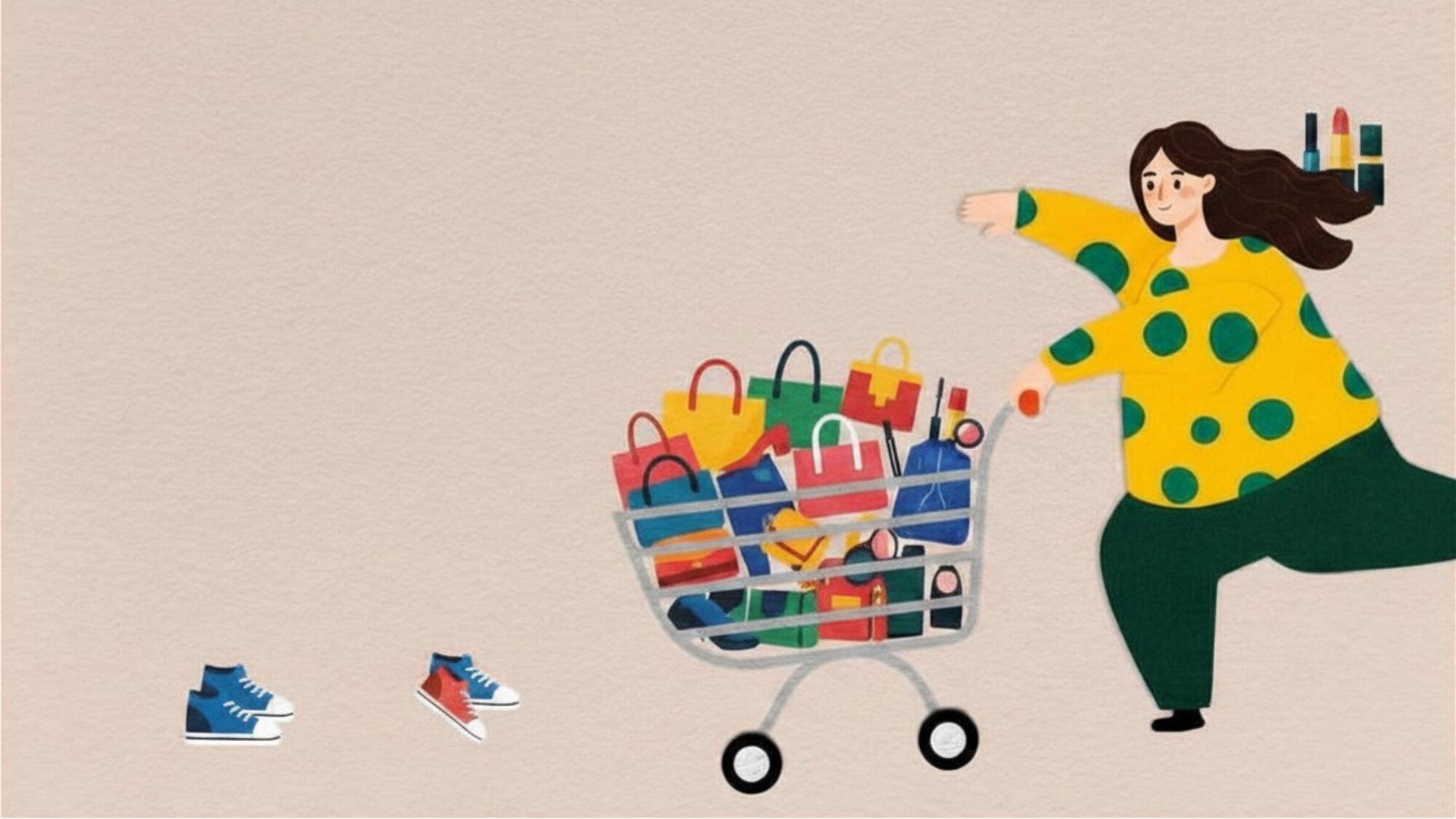
For years, brands competed to encourage consumers to buy more. Limited-time offers, constant product launches, and viral trends fueled a culture where shopping became almost second nature. Today, however, a growing movement is encouraging people to slow down and rethink their purchases.
Known as the anti-overconsumption movement, this shift is changing how consumers evaluate brands. Instead of asking, “What’s new?” many are asking, “Do I really need this?”
For businesses, this doesn’t necessarily mean fewer opportunities. Instead, it signals a new way of building trust and long-term customer relationships.
What Is the Anti-Overconsumption Movement?
The anti-overconsumption movement encourages people to purchase more intentionally. Rather than buying products because they’re trendy or heavily promoted, consumers are prioritizing products that have actually good quality and lasting value.
This trend has gained momentum through social media, where creators share realistic spending habits, promote using what they already own, and encourage mindful purchasing decisions. Discussions around sustainability, financial wellness, and reducing waste have also helped reshape consumer expectations.
Across social media, creators now encourage people to consume less by making underconsumption a lifestyle. One of the most popular terms associated with the anti-overconsumption movement today is “Deinfluencing,” where creators discourage audiences from buying trending products by explaining why they may not actually need them. Instead of hyping products up, they point out their drawbacks.
Other popular content related to this movement is the “Products That Are Worth Your Money,” which highlights items that genuinely provide long-term value. Many creators also raise awareness about brands with poor practices, encouraging consumers to hold them accountable through call-outs, boycotts, or by choosing to support more ethical alternatives.
As a result, people are becoming more selective about the brands they support.
How Consumer Behavior Is Changing
Consumers today spend more time researching products before making a purchase. They are more mindful of their buying decisions, carefully evaluating whether products are environmentally friendly and support a more sustainable way of living.
They’re also paying closer attention to a brand’s transparency. Vague marketing claims or exaggerated promises are easier to question than ever before, especially when customer reviews and social media discussions are only a few clicks away.
For many buyers, authenticity now carries more weight than flashy campaigns.
The Problem With Overconsumption
The issue isn’t with a specific product but with the culture of constant consumption. Consumerism encourages people to keep buying more than they need, regardless of what they’re purchasing. Even sustainable products can contribute to waste if they’re replaced for trends rather than necessity. In contrast, any product can support an anti-overconsumption lifestyle when it’s bought intentionally, used for as long as possible, and only replaced when truly needed.
Anti-overconsumption is about buying less and making more intentional, sustainable purchases. Driven by rising living costs and growing environmental concerns, many people are becoming more mindful of how they spend their money and the impact of their consumption. As the cost of living continues to rise, keeping up with a culture of constant buying has become increasingly difficult for many consumers.
How Brands Can Adapt
The anti-overconsumption movement isn’t about rejecting businesses. It’s about rejecting unnecessary consumption. Consumers still buy products and services, but they’re looking for brands that provide genuine value rather than simply encouraging constant purchases.
Instead of relying on urgency or fear of missing out, brands can create stronger relationships by showing how their products solve real problems or improve everyday life. Here’s what businesses should focus on:
- Deliver real value. Consumers prefer brands that solve real problems instead of encouraging constant purchases.
- Build trust, not urgency. Focus on showing how your products genuinely improve customers’ everyday lives.
- Lead with purpose. Today’s consumers care about more than what you sell. They also pay attention to how you treat employees, support meaningful causes, and contribute to society and the environment.
- Align with consumer values. People are more likely to support brands that reflect their beliefs and demonstrate genuine responsibility through their actions.
- Be consistent. Creativity may attract attention, but consistency builds loyalty. Brands that consistently deliver on their promises are more likely to earn long-term customer trust than those that simply follow the latest trends.
The Opportunity Behind the Trend
Every major shift in consumer behavior changes the way businesses communicate. The anti-overconsumption movement is no different.
While some brands may see it as a challenge, others can view it as an opportunity to strengthen their reputation through honesty and delivering customer-focused experiences.
Consumers have already aligned their purchasing decisions with their values. Now it’s time for brands to align theirs. Let your brand lead positive change and inspire meaningful impact.
Brands that help them make those decisions are the ones most likely to earn lasting trust in this new era of mindful consumption.
Understanding these changing consumer behaviors can help businesses build stronger relationships with their audience and foster long-term customer loyalty. To learn more about emerging consumer trends and effective marketing strategies, follow The Click PH on social media or get in touch with our team at +63.998.984.9861 or [email protected].